Since before the release of The Man Who Joined the Rocks, I’ve been working on another book. That project is titled The Bureau of Eternal Affairs. The book plays with many different themes, Salvation and Judgment as well as Faith and Grace, what it means to truly be saved and have been changed by your relationship with Jesus.
While writing the “The Bureau”, I’ve had different discussions with Christians & non believers on the themes. One of the main things we will get stuck on and want to discuss most is Judgment.
As a result, I started writing about it.
After some consideration I decided I will post these writings on the website.
I plan on this Reflection/Exploration piece into Judgment being a 12 Part series.
Not only focusing on the Judgment we will all receive at the end of our lives, but how we judge others (believers, non believers, and ourselves).
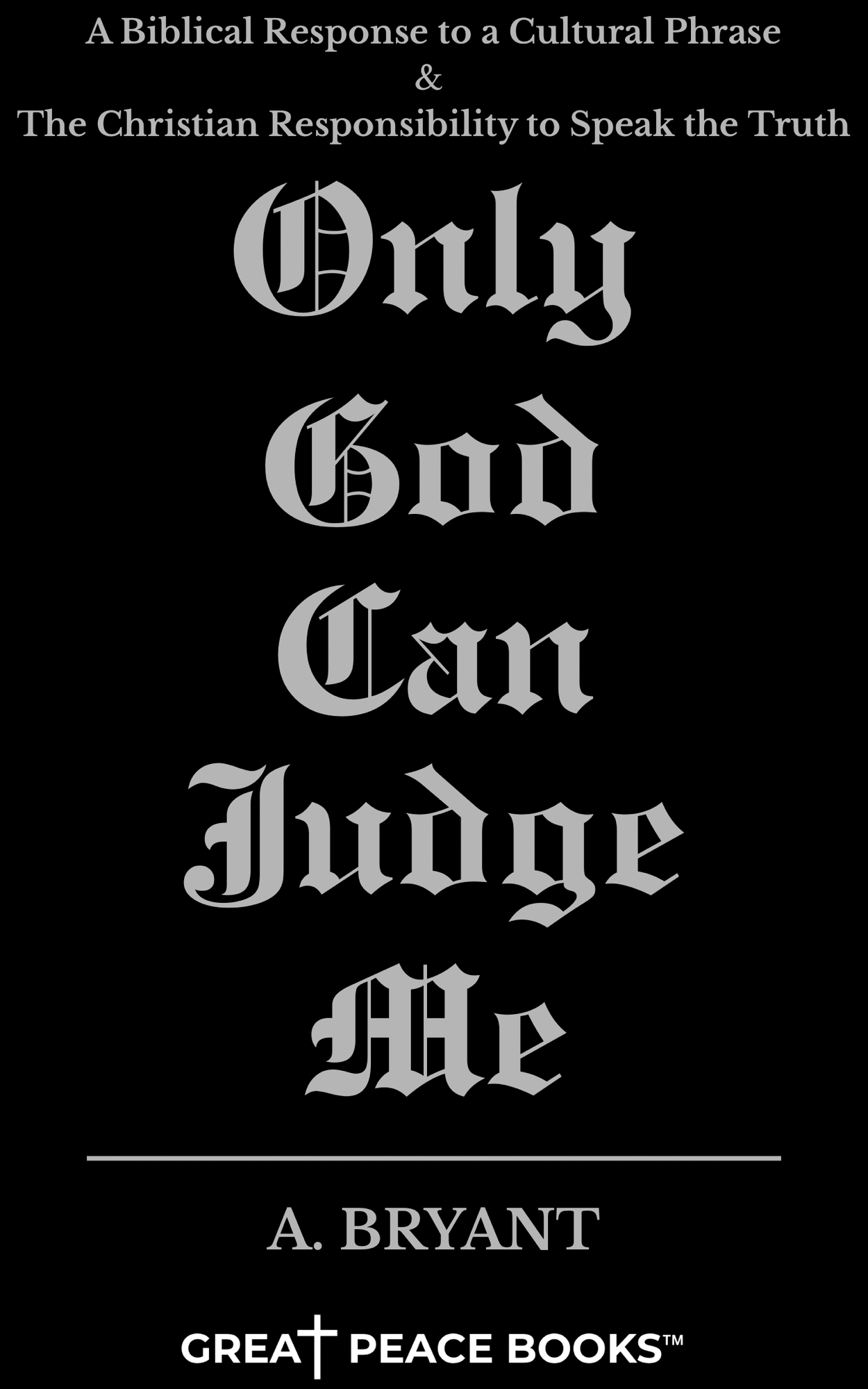
I’m titling this piece after a saying we’ve all heard.
“Only God Can Judge Me”
And I want to explore this phrase as well. Where it comes from, it’s truth and its folly when it is misused.
I want to also explore a Christian’s Responsibility to speak Truth is today’s world and how to respond to a cultural phrase like this, that is sometimes weaponized against Christians who have well intentions.
As we Christians try to make ourselves more like Christ, as well as the world around us. We may hear things like:
“A Christian is just another word for a
hypocrite.”
It’s common to hear this from non-
believers. And to those who hear it, it may sound convincing or true, especially when Christians are stereotyped as judgmental while claiming to follow a God who himself holds the sole-authority as the Judge of the Universe. But “only God can judge me” isn’t Scripture. It’s a phrase from popular culture—a slogan, a tattoo, a line from a 1990s rap song.
So what does the Bible actually say?
A practicing Christian—one committed to prayer, obedience, and repentance—knows that all fall short of the kingdom of God apart from His grace and the blood of His Son.
That truth doesn’t remove judgment—it
demands it.
Christians are not called to self-righteous condemnation, but neither are they called to silence. They are called to judge rightly, discern or correct, in a way that reflects Jesus and follows the instruction of the New Testament.
These reflections will explore that. As I search to understand what the Bible says judgment really is, where Christians get it wrong, and how to speak truth in a way that leads others to Christ rather than pushing them away.
Thanks for reading.
Next Post:
Part 1: The Claim


